

Spermatorrhea, also known as Dhant or Jaryan, is a condition in which white sticky drops are discharged involuntarily—without sexual intercourse or voluntary ejaculation. Many men in Pakistan silently suffer from this issue due to embarrassment or misconceptions, but the truth is that it is a common and treatable condition.
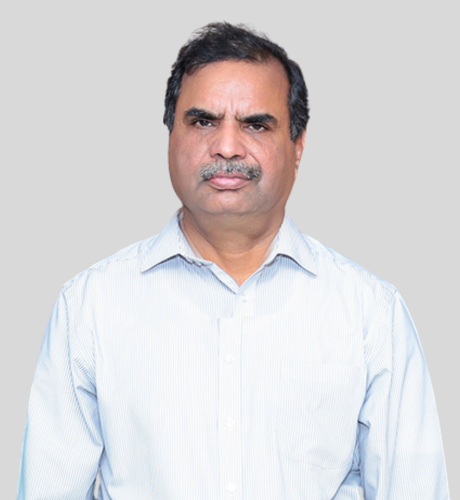
Dr. Farooq Naseem Bhatti, a highly experienced sexologist in Lahore, has been helping men overcome spermatorrhea and related sexual health concerns for over three decades.
What Is Spermatorrhea?
Spermatorrhea refers to the involuntary loss of white sticky discharge through urine, during sleep, or sometimes without any physical stimulation. Some men experience it on sexual stimulation or sexual thoughts, while others notice it before or after urination.
Although it may seem minor at first, repeated discharge can lead to weakness, fatigue, and low confidence if left untreated.
Common Symptoms
Dhant or Jaryan (دھنت یا جریان) can show up in several subtle but persistent ways. Some men notice only mild symptoms at first, while others experience physical and emotional exhaustion over time. Recognizing these early signs is important to prevent the condition from worsening.
Many men with spermatorrhea experience involuntary semen discharge during sleep, urination, or even without any sexual stimulation. This discharge may happen once in a while or become frequent enough to cause concern. Over time, it can lead to a noticeable feeling of weakness or fatigue after each episode.
A burning sensation or irritation in the genital area is also common, often accompanied by mild pain or discomfort in the lower abdomen. Men may feel dull pain in the lower back, pelvis, or groin, especially after semen leakage. This physical strain can make it difficult to focus on daily activities or work.
In addition to the physical effects, Dhant or Jaryan (دھنت یا جریان) often triggers psychological stress. Men may feel dull pain in the lower back, pelvis, or groin if the white sticky discharge is infected, especially after discharge. Constant worry about involuntary discharge can reduce confidence, lower libido, and lead to emotional exhaustion or depression.
If left untreated, these symptoms may intensify and affect overall energy, mental clarity, and sexual performance. Early consultation with a qualified sexologist in Lahore, like Dr. Farooq Naseem Bhatti, can help identify the cause and restore balance before complications develop.
Major Causes of Spermatorrhea
Spermatorrhea can result from a combination of physical, psychological, and lifestyle factors. Understanding the root cause is essential to finding the most effective treatment.
When an unmarried man develops a negative attitude toward masturbation and avoids it—especially while living in a non-Islamic environment where modesty and moral boundaries are not observed—his natural sexual urges may remain unfulfilled. Normally, such desires are satisfied through masturbation, intercourse with a spouse, or extramarital relations. Without either option, he experiences sexual frustration. In this state, the seminal vesicles and prostate glands, which produce the white fluid, become overfilled and overly sensitive, causing discharge even with minor stimulation. This often leads to anxiety and worry, which further aggravate the problem.
Prolonged exposure to sexual thoughts or pornography also plays a significant role. The mind-body connection in sexual function is powerful, and constant arousal without proper release can cause unwanted leakage of white sticky material.
In many cases, emotional stress, guilt, or anxiety contribute directly to Dhant or Jaryan (دھنت یا جریان). Men who are under constant psychological pressure or who experience relationship problems may notice an increase in symptoms. This is because stress affects hormone levels and muscle control, disrupting normal sexual function.
Sometimes, Dhant or Jaryan (دھنت یا جریان) is caused by medical conditions such as inflammation or infection of the prostate gland, urinary tract, or seminal vesicles. These conditions can irritate the reproductive organs, making them more prone to involuntary discharge.
Finally, unhealthy lifestyle habits like lack of exercise, poor sleep, smoking, or excessive use of stimulants (such as caffeine or alcohol) can aggravate the condition. These habits reduce blood flow, weaken the nervous system, and disturb the body’s natural sexual rhythm.
Because the causes vary from person to person, a personalized diagnosis from an experienced sexologist like Dr. Farooq Naseem Bhatti is vital. Through proper evaluation and tailored treatment, most men can completely overcome spermatorrhea and regain their confidence.
Why You Shouldn’t Ignore Spermatorrhea
If left untreated, spermatorrhea can lead to both physical weakness and mental stress. Persistent discharge may disturb hormonal balance, cause premature ejaculation, reduce sexual stamina, and affect self-confidence.
It is not a sign of weakness or impurity — it is a medical condition that can be treated effectively with the right guidance.
Treatment of Spermatorrhea by Dr. Farooq Naseem Bhatti
Dr. Farooq Naseem Bhatti, a sexologist in Lahore, provides confidential and comprehensive treatment for spermatorrhea at his clinic in Lahore. His approach combines medical science with modern counseling methods to help men regain full control and confidence.
1. Accurate Diagnosis
After diagnosis, a holistic approach is used to treat the body’s physical, psychological, psychosocial, and physiological aspects, so that the person can live a normal life.
2. Sex Therapy, Counseling & Medication
Patients are treated by Sex Therapy, Counseling, and Medication to normalize the natural sexual function.
3. Lifestyle & Diet Recommendations
Dietary guidance, exercise plans, and lifestyle improvements are advised to enhance energy levels and promote overall sexual wellness.
4. Follow-Up & Continuous Care
Regular monitoring ensures steady progress and long-term results. Every patient receives discreet and respectful care.
Why Choose Dr. Farooq Naseem Bhatti
Over 31 years of experience in treating male sexual health conditions
MBBS, FAACS (USA), and Diplomate American Board of Sexology
Advanced training in sexology from Hong Kong, Malaysia, and China
Trusted by patients across Lahore, Karachi, and abroad
100% confidential and judgment-free consultations
Dr. Bhatti’s goal is not only to treat the condition but to help men regain confidence, strength, and satisfaction in their personal lives.
When to See a Sexologist
You should consult a specialist if you:
Notice frequent or continuous white sticky discharge (دھنت یا جریان)
Feel weak or anxious after discharge
Have tried home or herbal remedies without improvement
Are worried about your sexual performance or fertility
Early treatment leads to faster recovery and prevents future complications.
Final Thoughts
Spermatorrhea can affect both your physical and emotional well-being — but it doesn’t have to control your life. With expert care from Dr. Farooq Naseem Bhatti, one of Lahore’s most trusted sexologists, you can overcome this condition safely and confidently.
If you’re struggling with spermatorrhea, book a confidential consultation today and take the first step toward recovery and renewed confidence.
Scientific References (for “Spermatorrhea / Dhant / Jaryan” article)
World Health Organization (WHO). ICD-10 Version 2008: F48.8 Other specified neurotic disorders (includes Dhat syndrome). (Official ICD listing that explicitly includes Dhat syndrome under F48.8.) ICD-11
Mehta V, Mahapatra A. Dhat syndrome: a reappraisal. Indian J Psychiatry. 2009. (Clinical overview: semen-loss anxiety presentations, cultural context, and the importance of assessment and reassurance.) PMC
Kar SK, Sarkar S. Dhat syndrome: systematic review of epidemiology, phenomenology, and management. Asian Journal of Psychiatry. 2021. (Systematic review summarising common symptoms—fatigue, weakness, anxiety—and treatment approaches.) PubMed+1
Strong YN, et al. Dhat syndrome: epidemiology, risk factors, comorbidities, and treatment considerations. 2022. (Highlights the core feature: distress/fear about semen loss through urine/nocturnal emission and associated anxiety.) PMC+1
Prakash O, Kar SK. Dhat syndrome: a review and update. 2019. (Update/review: clinical picture overlaps with anxiety/hypochondriacal concerns; psychosocial contributors.) SAGE Journals
Udina M, Foulon H, Valdés M, et al. Dhat syndrome: a systematic review. Acta Psychiatr Scand. 2013. (Synthesises evidence on semen-loss anxiety syndromes and clinical features.) ScienceDirect
Balhara YPS, et al. An unusual presentation of Dhat syndrome. J Neuropsychiatry Clin Neurosci. 2012. (Example of Dhat syndrome coded under ICD-10 F48.8 with prominent anxiety/depressive symptoms.) psychiatryonline.org
Khan N, et al. Dhat syndrome in relation to demographic characteristics. Indian J Psychiatry. 2005. (Describes typical symptom patterns and help-seeking delays related to semen-loss concerns.) Lippincott Journals
Mayo Clinic. Prostatitis – Symptoms and causes. Updated 2025. (Authoritative clinical summary of prostatitis/CPPS symptoms, used when linking genital/pelvic discomfort with urologic causes.) Mayo Clinic
Cleveland Clinic. Prostatitis: Causes, Symptoms, Diagnosis & Treatment. (Explains prostatitis as inflammation/infection that can cause pelvic/genital pain and urinary symptoms.) Cleveland Clinic
NCBI Bookshelf (StatPearls). Pendegast HJ, et al. Chronic Prostatitis and Chronic Pelvic Pain Syndrome in Men. 2024. (Clinical workup and management overview; supports “medical evaluation is important.”) NCBI
UCSF Department of Urology. Prostatitis (Male Pelvic Pain). (Urology clinic guidance describing pelvic pain/urinary symptoms and sexual discomfort; supports differential diagnosis.) UCSF Department of Urology
Medical News Today. Semen leakage: causes, treatment, and remedies. (Patient-facing medical overview noting prostatitis and infections can mimic “semen-like” discharge; useful for explaining that not all whitish fluid is semen.) Medical News Today
Yang DY, Ko K, Lee SH, et al. A current perspective on post-micturition dribble in males. Investig Clin Urol. 2019. (Explains post-void dribbling mechanism—residual fluid in urethra—which can be mistaken for “discharge.”) PMC
Medical News Today. What are wet dreams? Myths, facts, and FAQs. Updated 2024. (Supports that nocturnal emissions are common/physiological and not inherently harmful.)
Regain Confidence with Our ED Solutions
Explore effective treatments for erectile dysfunction. Take charge of your intimacy today.